YUNOVA Guides · Business & Productivity
How Digital Marketing Works: A Simple Guide for Beginners
Digital marketing means reaching customers through the internet: search engines, social media, ads, email and websites. A local coaching centre, a home bakery and a large brand all use the same basic ideas. This guide explains how those pieces fit together, who uses them in India, and how a beginner can start learning them in a clear order.
The main parts of digital marketing
Social media marketing means building a page on platforms like Instagram, Facebook or YouTube and posting content that the right people want to see. Search engine optimisation, or SEO, means making a website easy for Google to understand, so it can appear when people search for what you offer.
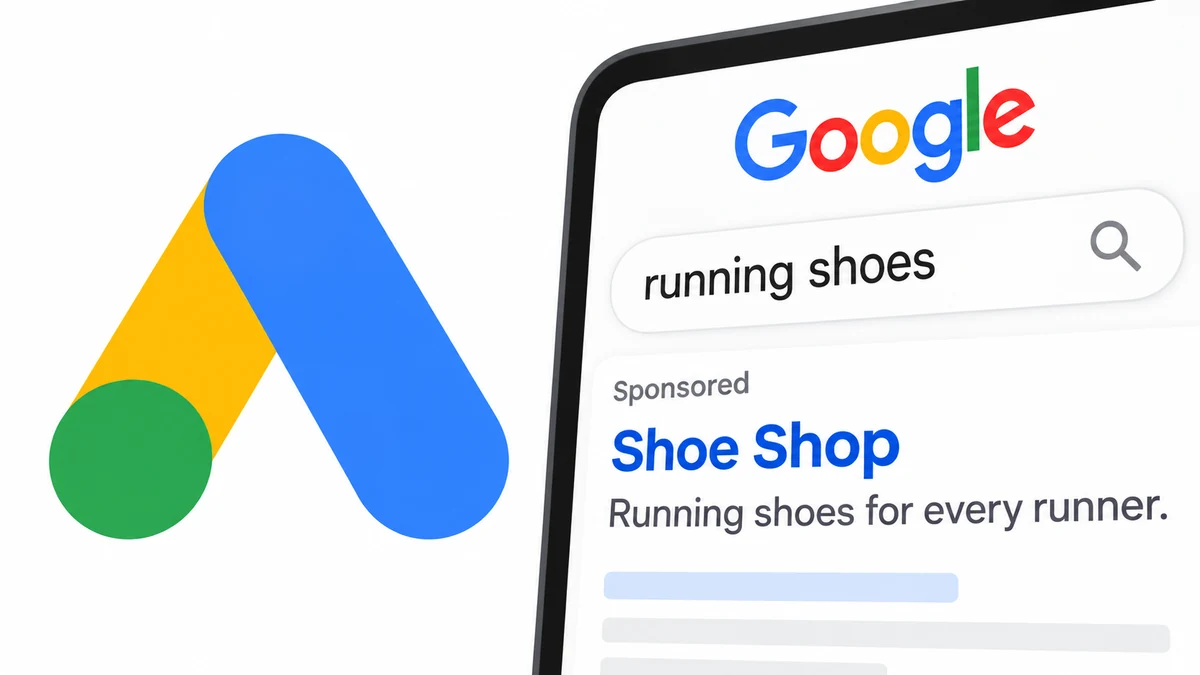
Paid ads are the third part. Google Ads shows ads to people who search for certain words, and Meta ads show ads on Facebook and Instagram to people who match an audience you choose. Email marketing keeps in touch with people who have already shown interest. Analytics ties it all together by showing what worked and what did not.
Where digital marketing is used in India
Small and local businesses use a Google Business Profile so they appear on Google Maps when someone nearby searches for a shop, clinic or service. Many of them also run a WhatsApp catalogue or an Instagram page to show products.
Larger companies hire teams for content, SEO, paid ads and analytics. Agencies handle this work for several clients at once. Freelancers offer services such as managing social pages, running ad campaigns or writing website content. Creators use the same skills to grow an audience.
Advertising in India must also follow rules. The Advertising Standards Council of India (ASCI) publishes a code and guidelines, including for influencers, so that ads are honest and clearly labelled. A good digital marketer learns these rules early.
How the pieces work together
Think of a small tuition centre. A parent searches 'maths tuition near me' on Google. The centre's Business Profile appears on the map with reviews and a phone number. The parent visits its Instagram page, sees short videos of the teaching style, and sends a message. Later, the centre sends an email or WhatsApp update about a new batch.
Each step is a different part of digital marketing: local SEO, social content, messaging and email. Analytics shows which step brought the most enquiries, and paid ads can be added to reach more parents in the area. Learning digital marketing means learning each step and how to measure it.
This is also why the skill keeps changing. Platforms update their features and rules often, so good marketers keep reading official help pages and testing small changes instead of relying on old tricks.
Who should learn digital marketing
This skill suits business owners who want more customers, students exploring marketing roles, people working in sales, and freelancers. It also helps anyone who runs a page or channel for a cause, a school or a community group.
You do not need a marketing degree. You need comfort with a computer or phone, curiosity about how people make choices online, and the patience to test, measure and improve.
How long it takesइसमें कितना समय लगता है
On YUNOVA right now: 23 modules · 134 topics · about 22 hours of lessons, free.
YUNOVA's Digital Marketing path has 23 modules and 134 topics, with about 22 hours of lessons. At 30 minutes a day, the beginner modules on social media, SEO basics and Google tools take three to four weeks, and the whole path two to three months.
Plan extra time for practice. Set up a real or sample page, make a small campaign plan, and read your numbers. Hands-on work is what turns lessons into skill.
Common mistakes beginners makeशुरुआत में होने वाली आम गलतियाँ
- Chasing followers, not customersA large follower count means little if those people will never buy. Decide who your customer is before you post or spend on ads.
- Spending on ads too earlyRunning ads before your page, offer and tracking are ready wastes money. Learn the basics and set up tracking first.
- Ignoring measurementWithout analytics and conversion tracking you cannot tell what worked. Learn to read a few key numbers before trying new tactics.
- Copying content blindlyCopied posts and articles do not build trust and can break platform rules. Create content that answers your customer's real questions.
- Hiding paid promotionsPaid or gifted promotions should be clearly labelled. ASCI's guidelines explain how to disclose them honestly.
A 30-day starter plan on YUNOVAYUNOVA पर 30 दिन का starter plan
Days 1–5
- Digital Marketing Ki Shuruaat
- Customer Ko Online Samajhna
Learn the main channels and how a customer moves from first seeing you to buying. Write down who your customer is.
Days 6–12
- Social Media Page Ki Basic Setup
- Social Media Content
- Canva Se Marketing Creative
Set up a sample business page, plan a week of posts, and design simple creatives in Canva.
Days 13–20
- SEO Ki Basic Samajh
- Keyword Research
- On Page SEO
Understand how search works, find the words your customers search for, and apply them to a page.
Days 21–26
- Local Business Ko Google Par Lana
- Google Search Console
Learn how a Google Business Profile works for a local shop and how Search Console shows a site's search performance.
Days 27–30
- Google Analytics Ki Shuruaat
- Marketing Numbers Samajhna
Read basic analytics reports and the key numbers that tell you whether your marketing is working.
The module names are YUNOVA's own, in the order the skill's path teaches them.
Questions people askलोग जो सवाल पूछते हैं
Do I need money to learn digital marketing?
No. You can learn and practise most parts, such as social media, SEO and analytics, for free. Paid ads need a small budget only when you are ready to test them.
Which is better to learn first, SEO or ads?
Most beginners start with customer understanding, social media and SEO basics, then move to paid ads. This order helps you avoid wasting money on ads.
Can a small shop use digital marketing?
Yes. A Google Business Profile, a simple social page and replies to customer questions can make a real difference for a local business.
Which tools should a beginner learn first?
Start with free tools that the path uses: a social media business page, Canva for creatives, Google Search Console, Google Analytics and a Google Business Profile. Paid tools can wait until you know exactly what problem you want them to solve. Learning to read the free reports well is more useful than collecting many tools.
Is digital marketing taught in Hindi on YUNOVA?
Yes. The lessons for this path are chosen from Hindi and Hinglish videos.
Start free on YUNOVAYUNOVA पर free में शुरू करें
The whole path is free: watch a lesson, practise, and move to the next topic. No fees, no paywall.
हिंदी में सारांश
Digital marketing का मतलब है internet के ज़रिए customers तक पहुँचना: social media, SEO, Google और Meta ads, email और analytics। छोटी दुकान से बड़ी company तक, सब यही basic ideas इस्तेमाल करते हैं। यह guide बताती है कि ये हिस्से कैसे जुड़ते हैं, शुरुआत में कौन-सी गलतियाँ होती हैं, और आप YUNOVA के free modules पर 30 दिन का plan कैसे शुरू कर सकते हैं।
Sourcesस्रोत
- Search Engine Optimization (SEO) Starter Guide, Google Search Central (accessed 18 October 2026)
- Your guide to Google Ads, Google Ads Help (accessed 18 October 2026)
- Add or claim your Business Profile, Google Business Profile Help (accessed 18 October 2026)
- Guidelines for influencer advertising in digital media, Advertising Standards Council of India (accessed 18 October 2026)
Written by YUNOVA for learning. It is general information, not professional, legal, financial or tax advice.यह guide YUNOVA ने सीखने के लिए लिखी है। यह सामान्य जानकारी है, professional, legal, financial या tax advice नहीं।