

YUNOVA Stories · Personal Development
A. R. Rahman: from session keyboard player to two Oscars
A. R. Rahman · Composer, music producer and keyboard player
Written by YUNOVA from public sources. A. R. Rahman is not affiliated with and does not endorse YUNOVA.यह कहानी YUNOVA ने public sources से लिखी है। इसमें बताए गए व्यक्ति YUNOVA से जुड़े नहीं हैं और YUNOVA का समर्थन नहीं करते।
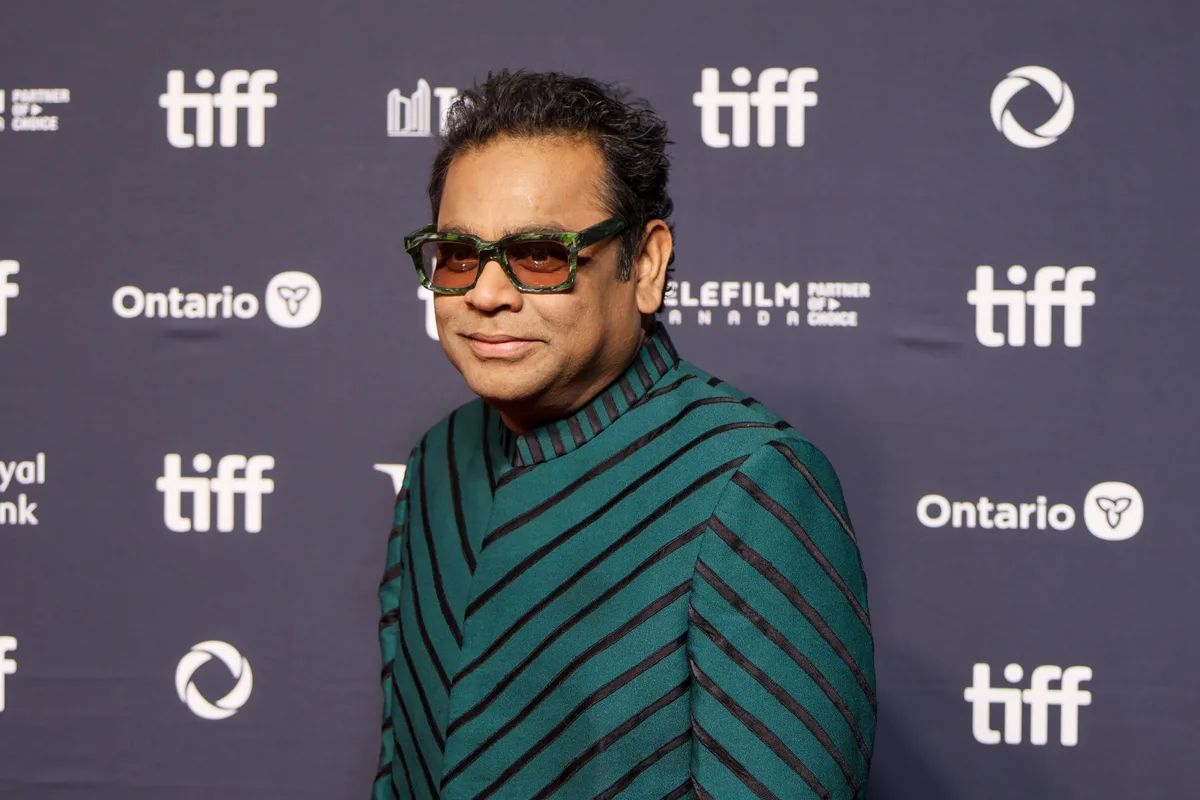
A. R. Rahman lost his father when he was nine, and his family got by renting out his father's music equipment. As a boy he took a job as a keyboard player for a token fee of 50 rupees. About ten years of session work, then advertising jingles and his own home studio, led to his first film score, Roja, and later to two Academy Awards.
A childhood around instruments
A. R. Rahman was born on 6 January 1967 in Madras, now Chennai. His birth name was Dileep Kumar. His father, R. K. Shekhar, was a composer and conductor who worked on Malayalam and Tamil films.
His father gave him his first music lessons, and he began learning piano at about the age of four. As a child he spent hours at the harmonium and preferred it to playing outside. He also helped out in his father's studio.
When Rahman was nine, his father died at the age of 43. To support the family, his mother rented out her husband's musical instruments. Young Rahman's work was to set up the keyboards for the musicians who hired them. After about a year, those musicians bought their own equipment and the rentals stopped.
“My father did not leave me a castle or anything, but he did leave me some musical instruments.”
— A. R. Rahman, via Gulf News
Working as a keyboard player while still a boy
At around 11 or 12, Rahman took his first job as a keyboard player with the Malayalam composer M. K. Arjunan, for a token salary of 50 rupees. From then on he carried responsibility for his family.
For roughly the next ten years he worked as a session musician, playing for many music directors, including Ilaiyaraaja and the duo Raj–Koti. He also toured abroad with artists such as Zakir Hussain. When work started to clash with school, he left his studies to focus on music.
He played in bands too, including one called Roots and a rock group named Nemesis Avenue. He was drawn to the synthesizer because it brought together his two interests, music and technology. As a boy he had once wanted to become a computer engineer.
Formal training, jingles and a home studio
Rahman also earned a diploma in Western classical music from Trinity College London, which he studied for through a scholarship.
From 1987 he began composing jingles for advertisements. This work added to his income while he kept playing for films.
His mother sold jewellery that had been saved for his sister's wedding so that he could buy his first 16-track recorder. He set up his own studio and kept composing in his spare time, saving the tracks he made. In 1989, he and his family converted to Islam, and he took the name Allah Rakha Rahman.
Roja, and then the world stage
Film director Mani Ratnam visited Rahman's studio and heard the music he had been saving. That meeting led to Rahman's first film score, the Tamil film Roja, released in 1992.
In 2009, at the 81st Academy Awards, Rahman won two Oscars for the film Slumdog Millionaire: one for Original Score and one for Original Song, for Jai Ho, written with lyricist Gulzar. The same year he won a Golden Globe for the film's music.
In 2010 he won two Grammy Awards, again for Slumdog Millionaire, and the Government of India honoured him with the Padma Bhushan. He is also the founder-principal of the KM Music Conservatory in Chennai, which teaches music and runs an orchestra for children from underprivileged backgrounds.
The skills and habits that made the difference
Long hours with an instrument, from a young age. His father taught him early, and he chose the harmonium over outdoor games. By the age of 11 or 12, he was playing well enough to be paid for it.
Learning on the job. About ten years of session work meant playing for many different composers, including Ilaiyaraaja. He learned by working alongside them.
Mixing music with technology. Rahman was curious about electronic gadgets and synthesizers. Owning a recorder and a small studio let him experiment, record his ideas and keep them ready. When the right listener came, he had finished work to play.
Formal study on top of practice. Even after years of paid work, he went back to structured learning in Western classical music.
What you can learn from A. R. Rahmanइस कहानी से आप क्या सीख सकते हैं
- Start with the instrument you haveRahman began on his father's instruments and a harmonium at home. A basic keyboard is enough to start learning notes, scales and simple songs.
- Practise a little every dayHis skill came from years of daily playing, first at home and then in session work. Short, regular practice builds finger strength and confidence faster than rare long sessions.
- Record and save your workHe kept the tracks he made in his spare time, and they were ready when Mani Ratnam heard them. Record your practice on your phone and keep the pieces you are proud of.
- Keep learning theory tooEven as a working musician, he studied Western classical music formally. Learning to read music and understand chords will make your playing stronger.
How you can build this skill on YUNOVAYUNOVA पर आप यह skill कैसे सीख सकते हैं
Nobody becomes A. R. Rahman from one course. But every keyboard player starts in the same place he did: learning where the notes are, building finger habits and playing simple pieces again and again. YUNOVA's keyboard and piano skill lets you start these basics for free, in Hindi, at your own pace.

हिंदी में सारांश
ए. आर. रहमान का जन्म 1967 में चेन्नई में हुआ था। नौ साल की उम्र में उनके पिता का निधन हो गया, और परिवार ने पिता के musical instruments किराए पर देकर घर चलाया। बचपन में ही वे 50 रुपये की फ़ीस पर keyboard बजाने लगे और कई साल session musician के रूप में काम किया। 1992 में फ़िल्म Roja से उनकी पहचान बनी और 2009 में Slumdog Millionaire के लिए उन्हें दो Oscar मिले। आप भी रोज़ थोड़ा-थोड़ा practice करके keyboard सीखना शुरू कर सकते हैं।
Sourcesस्रोत
- The world dances to his tunes, Gulf News (accessed 17 October 2026)
- A. R. Rahman, Outlook India (accessed 17 October 2026)
- The 81st Academy Awards (2009), Academy of Motion Picture Arts and Sciences (accessed 17 October 2026)
- After Oscars, Grammys for Rahman, Governance Now (accessed 17 October 2026)
- About us, KM Music Conservatory (accessed 17 October 2026)
- A. R. Rahman, Wikipedia (accessed 17 October 2026)
Written by YUNOVA from public sources. A. R. Rahman is not affiliated with and does not endorse YUNOVA.
More storiesऔर कहानियाँ
- Amartya Sen: from Santiniketan to the Nobel, economics for human welfareEconomist and philosopher, 1998 Nobel laureate in economic sciences
- Andrew Ng: the professor who put machine learning online for everyoneCo-founder of Coursera and founding lead of Google Brain
- Andy Jassy: the marketing manager who built Amazon Web ServicesFounding leader of Amazon Web Services and Amazon's CEO