

YUNOVA Stories · Money & Finance
Warren Buffett: the reader who learned investing from a book and its author
Warren Buffett · Long-time chairman and CEO of Berkshire Hathaway
Written by YUNOVA from public sources. Warren Buffett is not affiliated with and does not endorse YUNOVA.यह कहानी YUNOVA ने public sources से लिखी है। इसमें बताए गए व्यक्ति YUNOVA से जुड़े नहीं हैं और YUNOVA का समर्थन नहीं करते।
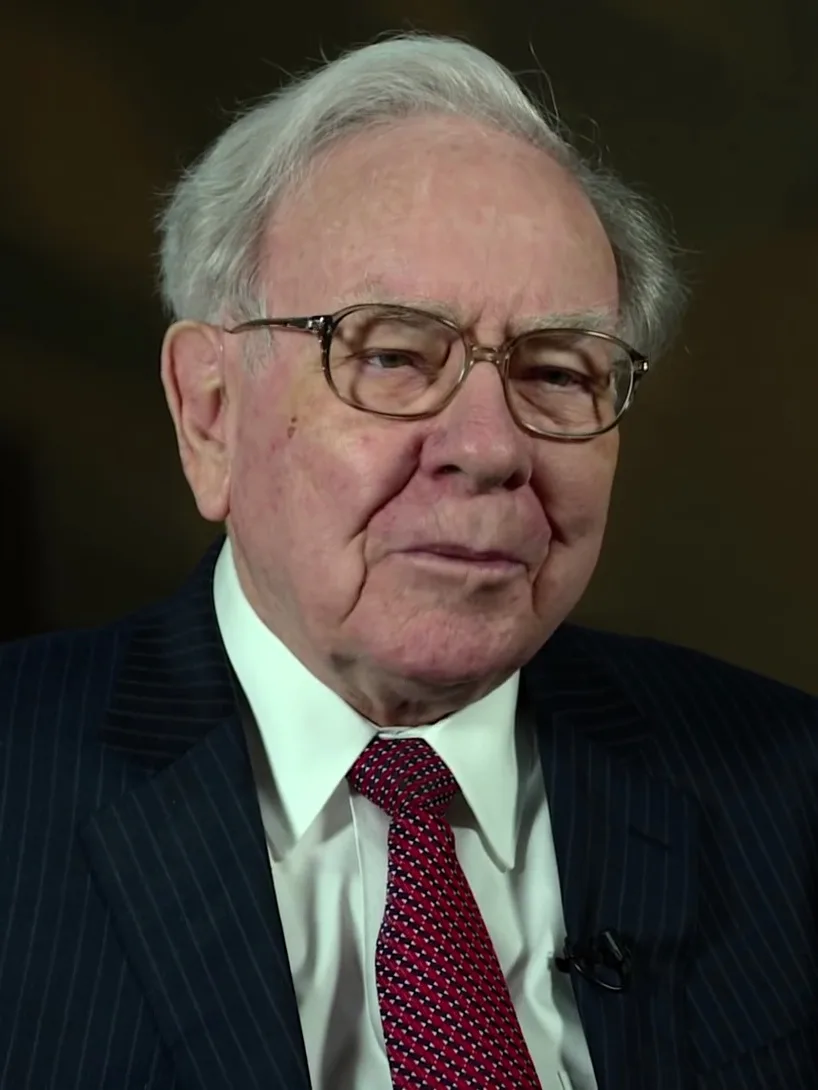
Warren Buffett is often described as one of the most successful investors in history, but his story begins with something any learner can do: reading a book carefully. A young man from Omaha read Benjamin Graham, then went to study under Graham himself. What he learned about understanding a business, waiting patiently and staying away from heavy borrowing shaped a career of more than seventy years.
A young reader finds his teacher
Warren Buffett was born in the United States in 1930. He studied at the University of Nebraska, and Forbes records that after he was rejected by Harvard Business School he went to Columbia University for a master's degree in economics instead.
The reason he chose Columbia was a teacher. Benjamin Graham, often called the father of value investing, had been teaching at Columbia's business school since 1928. With David Dodd he wrote Security Analysis in 1934, and in 1949 he published The Intelligent Investor. Buffett has said that reading the chapter of that book on how to think about falling and rising share prices changed how he saw markets, and he called picking up the book one of the luckiest moments of his life.
He became Graham's student at Columbia in 1951. Speaking at the school many years later, he said that what he learned from Graham at 19 or 20 he had applied ever since.
“I went there because Ben Graham taught there.”
— Warren Buffett, via Quartz
Working for Graham, then on his own
After business school Buffett worked at Graham's firm, Graham-Newman. When Graham retired, Buffett started his own business. He has said that Graham taught him that the key was to buy shares in good businesses when their market price was well below what the business was actually worth.
Buffett has also described where he differed from his teacher. Graham preferred owning a little of many companies and did not want to talk to managers, so that his results stayed close to what any reader of his book could achieve. Buffett, still in his early twenties, wanted to go further and study businesses more closely.
He made his home in Omaha, Nebraska, and Forbes notes he still lives in the house he bought there in 1958.
Berkshire Hathaway and the letters
In the mid-1960s Buffett's management took over Berkshire Hathaway, a textile company. In his 1985 letter to shareholders he explained why, after years of trying, Berkshire closed its textile operation that July. Over the decades Berkshire grew into a group that owns many businesses, including the insurer GEICO, Duracell and Dairy Queen.
Every year Buffett wrote a letter to Berkshire's shareholders, and the company's website keeps them online going back to 1977. In them he explains decisions, admits mistakes and tells stories about the businesses Berkshire owns. In his 1990 letter he pointed out that some of Berkshire's strongest businesses used very little borrowed money, and he warned about buyers who depend on large amounts of debt.
He retired as chief executive at the end of 2025, according to Forbes.
Giving it away
In 2006 Buffett committed to give all of his Berkshire Hathaway shares, gradually, to philanthropic foundations. In his letter for the Giving Pledge he wrote that more than 99 per cent of his wealth would go to philanthropy during his lifetime or at his death. He credited his fortune to living in America, some lucky genes and compound interest, and said that the asset he values most, apart from health, is long-standing friendships.
The skills and habits that made the difference
The first was reading. Buffett found his method in a book, then went to learn from its author. A single chapter on how to view price changes shaped his thinking for life.
The second was understanding the business behind a share. Graham's lesson, as Buffett tells it, was to compare the price of a share with the value of the business it represents.
The third was patience and caution with debt. His letters repeatedly favour businesses that do not rely on borrowed money.
The fourth was explaining things plainly. His yearly letters are written so that ordinary shareholders can follow them.
What you can learn from Warren Buffettइस कहानी से आप क्या सीख सकते हैं
- Start with the classic booksBuffett's path began with The Intelligent Investor. As an investing learner, read slowly, take notes, and reread the chapters that challenge how you think.
- Learn what a business actually doesA share is a small piece of a real company. Before you form any opinion, practise explaining in simple words how a business makes and spends money.
- Be careful with borrowed moneyHis letters praise businesses that need little debt. Understand how loans and leverage magnify losses as well as gains, and never treat borrowing lightly.
- Read annual reports and lettersBerkshire's letters since 1977 are free online. Reading company letters and reports is good practice in reading numbers and judgement together.
- Patience is part of the skillHis career spans decades. Learning about investing takes time too, and understanding comes before any decision; this story is not advice to buy or sell anything.
How you can build this skill on YUNOVAYUNOVA पर आप यह skill कैसे सीख सकते हैं
Nobody becomes Warren Buffett from one course. But the basics he learned from Graham, such as reading financial statements, understanding what a business is worth and respecting risk, can be learned by anyone. On YUNOVA you can build the Investing skill step by step, for free, in Hindi.

हिंदी में सारांश
वॉरेन बफेट का जन्म 1930 में अमेरिका में हुआ और उन्होंने Benjamin Graham की किताब The Intelligent Investor पढ़कर उनसे Columbia में पढ़ाई की। उन्होंने Berkshire Hathaway को दशकों तक चलाया और हर साल shareholders के लिए सरल भाषा में letter लिखे। उन्होंने अपनी 99 प्रतिशत से अधिक संपत्ति दान करने का वचन दिया है। आप भी YUNOVA पर Investing की skill हिंदी में मुफ़्त सीखना शुरू कर सकते हैं।
Sourcesस्रोत
- Warren Buffett profile, Forbes (accessed 18 October 2026)
- Warren Buffett learned everything he knows from this legend, Quartz (accessed 18 October 2026)
- Warren Buffett: Pledge letter, The Giving Pledge (accessed 18 October 2026)
- Chairman's Letter 1985, Berkshire Hathaway Inc. (accessed 18 October 2026)
- Chairman's Letter 1990, Berkshire Hathaway Inc. (accessed 18 October 2026)
- Shareholder Letters, Berkshire Hathaway Inc. (accessed 18 October 2026)
- Warren Buffett, Wikipedia (accessed 18 October 2026)
Written by YUNOVA from public sources. Warren Buffett is not affiliated with and does not endorse YUNOVA.
More storiesऔर कहानियाँ
- Amartya Sen: from Santiniketan to the Nobel, economics for human welfareEconomist and philosopher, 1998 Nobel laureate in economic sciences
- Andrew Ng: the professor who put machine learning online for everyoneCo-founder of Coursera and founding lead of Google Brain
- Andy Jassy: the marketing manager who built Amazon Web ServicesFounding leader of Amazon Web Services and Amazon's CEO